
The Mr. Kics Case: Results, Context and Limitations
What changed on our co-founder's 3-SKU Amazon account from July to September 2026, what the numbers mean, and what they do not prove.
By the Sollo Central editorial team
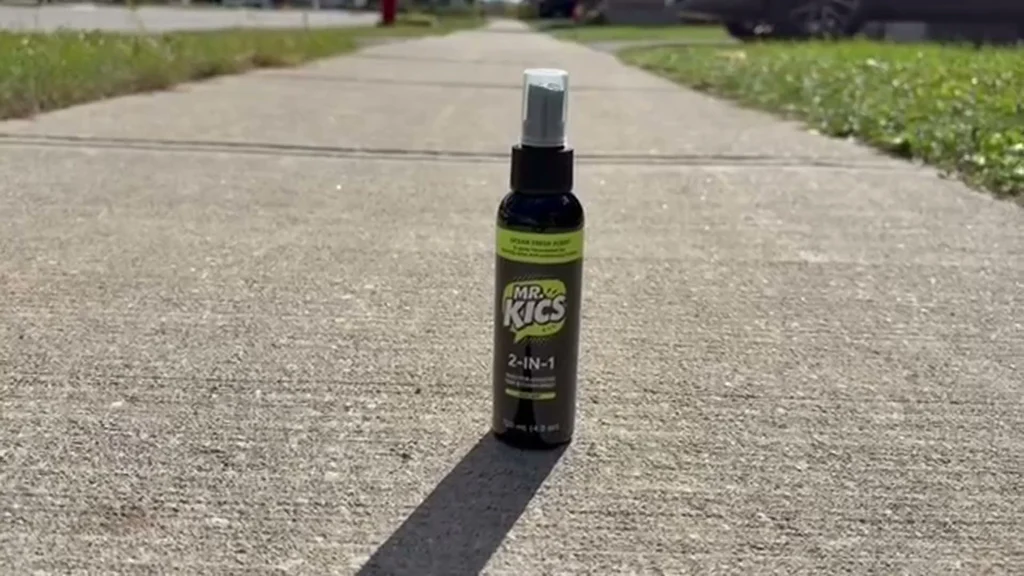
Mr. Kics is a small shoe-care brand sold on Amazon in the United States, with three products. It is owned and run by Gustavo Resende, who is also a co-founder of Sollo Central and the person who built the system. This article sets out what happened on that account after Sollo began managing its advertising, what the numbers mean, and, just as importantly, what they do not show.
Disclosure: this is one seller account, belonging to our co-founder. Results are not typical, and your results will depend on your products, costs, category and decisions.
Starting point
In early July 2026 the account's advertising was running at a loss. Advertising cost of sales (ACoS) was about 71%, against a break-even ACoS for the product of about 15.5%. Ad spend was about 36% of total sales. Gustavo describes spending roughly 1.5 to 2 hours a day watching and adjusting PPC.
In his own words, recorded in voice notes in October 2026 and translated from Portuguese: "if you don't watch the money you put into PPC… it eats your whole margin." And on earlier outside help: "I was spending money and not seeing a solution."
What changed
On July 13, 2026, Sollo began managing the account's PPC. Changes were proposed by the system and approved by Gustavo, using the same propose, approve and execute cycle described in automation you can trust. The work was mostly the routine covered elsewhere on this blog: per-product break-even ACoS, removing spend on irrelevant terms, harvesting converting search terms into exact targets, and pacing against a monthly ceiling.
The numbers, with their timing
Reported milestones, from Sellerboard and Amazon Ads data:
- Week 1: ACoS fell from about 71% to 56%.
- Week 4: the account was profitable after advertising.
- Week 8: average cost per click down about 66%, from $2.15 to $0.74. Ad spend about 8% of sales, down from 36%.
- September 2026: about $30,000 in sales at a 21.9% net margin, roughly double the previous best month (December 2025, $15,758).
- Late October 2026: 30-day ACoS about 22.4%; TACoS about 8.9%.
Reading the numbers correctly
These metrics measure different things, and it matters not to blur them. See ACoS vs TACoS vs net margin for definitions.
- ACoS of about 22% is still above the 15.5% break-even. At the ad-attributed level, the average ad-driven sale is not yet profitable on its own. Improvement from 71% is real; it is not "solved".
- TACoS of about 8.9% means advertising is a much smaller share of total sales. Most sales are organic, which is why the business as a whole could be profitable.
- The 21.9% net margin is the whole business after all costs for September, not an advertising metric. It should not be compared directly to ACoS.
A product screenshot from the period showed a net margin of 20.8%, calculated on a different basis from the official September figure of 21.9%. We report the official figure and note the difference.
What else changed in the same period
Sales growth in this period had more than one cause. Stock was replenished, which restored availability, and a new product variant (Black) launched in August. Both affected sales. We do not attribute the growth in total sales solely to Sollo.
The changes we consider most directly linked to how advertising was managed are cost per click, TACoS and ACoS.
Time
Before, Gustavo spent about 1.5 to 2 hours a day on PPC. After, he describes daily operations as close to zero, approving proposals from his phone. Supplier orders and freight are excluded from this; he still handles those.
What this case does not prove
- It is one account. Three products, one category, one owner who also built the system.
- The owner is not an independent customer. He is a co-founder with an interest in the outcome.
- It does not establish what is typical. Different products, margins and competitive landscapes will produce different results.
- It covers a short period. Roughly three months.
We publish it because it is real, because the owner authorized the use of his name and numbers, and because it shows the kind of decisions the system makes. The U.S. Federal Trade Commission's guidance on endorsements is clear that a connection between a company and the person giving a testimonial must be disclosed, and that results which are not typical should not be presented as if they were. We aim to follow that standard.
What you can take from it
If your account looks like the starting point here, advertising well above break-even with little visibility into which terms are wasting money, the method is available whether or not you use any software: calculate break-even ACoS, run a wasted spend review, set a budget around your margin, and make it a weekly routine.
Sources
- FTC Endorsement Guides: what people are asking (Federal Trade Commission)
- ACoS: advertising cost of sales (Amazon Ads)
Worked examples use illustrative numbers unless stated otherwise. Amazon fees and policies change; confirm current figures in Seller Central. Sollo Central is not affiliated with Amazon.com, Inc.